
Commerce City Directory Collections
The Denver Public Library Colorado Directories Index is the best organized starting point for a local directory search. Its catalog is arranged by Colorado municipality, county, and year, and the material may be filed under South Adams County, Adams City, Derby, or a Denver-suburban heading. That filing choice matters. A search for only the current city name can miss the volume that holds the needed street or household entry.
| Collection | Years | Where Held | Access |
|---|---|---|---|
| XL Rural & Suburban Directory, Adams County | 1949 | DPL shelf STX-2 Adams County | Physical reference volume |
| County Directory, South Adams County | 1962 | DPL shelf STX-2 South Adams County | Physical volume; includes Commerce City, Adams City, Derby, and contiguous areas |
| Polk Denver Suburban Directory, Adams County/Commerce City | 1969, 1970, 1971 | DPL directory collection | City, street/avenue, classified, and numerical telephone sections; 1970 also has a Buyers Guide |
| Polk Denver Suburban Directory | 1975, 1976 | DPL directory collection | Street directory of householders and businesses, Buyers Guide, classified, and numerical telephone sections |
| DPL Denver and householder/criss-cross runs | 1866-1981; 1924-2018 | DPL microfilm and digital holdings | Broader context; local South Adams completeness is not guaranteed |
The named local run is not a complete annual series. No earlier standalone volume and no final printed year for a Commerce City-specific series were located. The 1949, 1962, 1969-1971, and 1975-1976 volumes are therefore firm waypoints, not proof that every intervening year exists. Record the exact shelf label, title, publisher, and page when a volume is consulted.
The DPL Colorado directory catalog helps separate a true missing year from a mislabeled one. For family history, the shelf classification is part of the search result: South Adams can be the bridge between an old address and a later Commerce City record.
The DPL Colorado Directories Index groups holdings by municipality, county, and year, giving a local search a useful first map of the collection.
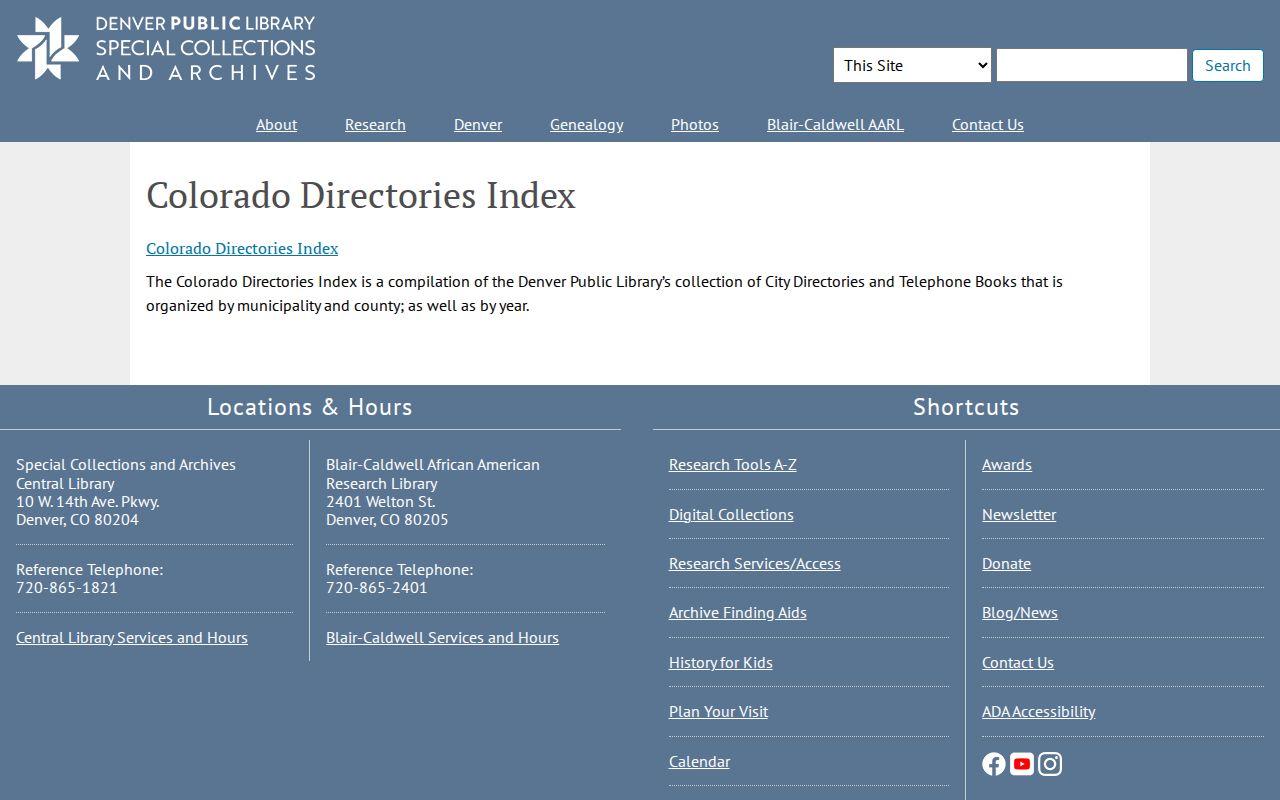
The catalog is a finding aid rather than a complete resident list. Its labels tell a researcher which volume to request before a page-level name or street search begins.
The 1949 Commerce City Directory
The earliest specifically located local volume is the 1949 XL Rural & Suburban Directory for Adams County. It is held on the DPL shelf marked STX-2 Adams County. Unlike later Polk material, the XL volume is described as a people and trade listing without telephone numbers. That makes it useful for a dated name, place, and trade clue, but not for a phone-number search or a complete list of everyone at an address.
Start with the printed locality and surname index, then copy the page, street wording, household notation, and any trade description exactly. A name can appear in a rural or suburban section even when a later record uses Commerce City. The absence of a person from the 1949 volume has several possible explanations: the person was outside the coverage area, used a different name form, was not listed, or appears under a nearby place label.
A 1949 directory entry is strongest when paired with a deed, newspaper notice, cemetery record, or another dated source. It can show where a name was placed in the local record landscape, but it does not by itself establish ownership, a legal residence date, or a continuous household.
South Adams in Commerce City Directories
The 1962 County Directory for South Adams County is a key local source because its stated coverage includes Commerce City, Adams City, Derby, and contiguous areas. A researcher should keep all four locality strings in the search notes. The same household can move from an Adams City or South Adams entry to a Commerce City entry without a move that a modern map would show.
Commerce City history explains why the labels shift. Adams City was laid out in 1903 and vacated in 1922. Irondale dates to 1924. Commerce Town incorporated in 1952, Derby was annexed in 1962, and home rule arrived in 1970. These milestones are search keys, not just background facts. A directory entry near a boundary may use the older place name even when the parcel is now inside Commerce City.
Compare the street spelling, nearby businesses, household names, and page headings before treating two entries as the same address. A place label is a clue. A street, legal description, lot reference, or neighboring name is the stronger bridge across a locality change.
Polk Commerce City Directories, 1969-1976
The Polk Denver Suburban sequence is the most useful named run for later South Adams research. DPL identifies Adams County and Commerce City volumes for 1969, 1970, and 1971. Each combines a city section with street or avenue listings, classified business pages, and numerical telephone sections. The 1970 volume also has a Buyers Guide. The 1975 and 1976 Polk volumes add a street directory of householders and businesses, a Buyers Guide, classified pages, and numerical telephone sections.
Use the sections in order. The city portion can confirm a surname and address. The street section can test whether the same address carried a different household name. Classified pages can place a business in the area, while numerical pages can connect a historical phone number to a printed name. A telephone listing is a dated directory clue, not a current contact record.
- 1949: the XL Adams County volume supplies people and trade listings without telephone numbers.
- 1962: the South Adams County directory joins Commerce City, Adams City, Derby, and nearby areas.
- 1969-1971: Polk volumes add city, street/avenue, classified, and numerical telephone sections.
- 1975-1976: Polk volumes emphasize street-ordered householders and businesses alongside Buyers Guide and phone sections.
The named volumes do not prove a full yearly sequence. Preserve the gaps rather than filling them with a general directory claim.
Anythink Commerce City Records
Anythink Commerce City, at 7185 Monaco Street, is a practical access point for newspapers that surround a directory entry. The branch lists public computers, study rooms, wireless printing, and a community garden. Posted hours are Monday through Thursday 9 a.m. to 8 p.m., Friday and Saturday 9 a.m. to 5 p.m., with Sunday closed. The listed phone is 303-405-3200. The current branch page does not advertise a local-history room, a specific local volume run, or exact microfilm years.
The library's digital resource list includes the Commerce City Sentinel, Denver Post coverage from 1989 to the present, Brighton Standard Blade, NewsBank, Access World News, and Newspaper Source Plus. Card or on-site authentication varies by database. These sources can add an obituary, civic notice, business advertisement, or address clue beside a historical directory entry, but the database list does not establish a complete obituary index.
The Anythink resource catalog shows why newspaper context belongs beside a local directory search: a volume supplies a dated listing, while an article may explain a move, business closing, family connection, or community event.
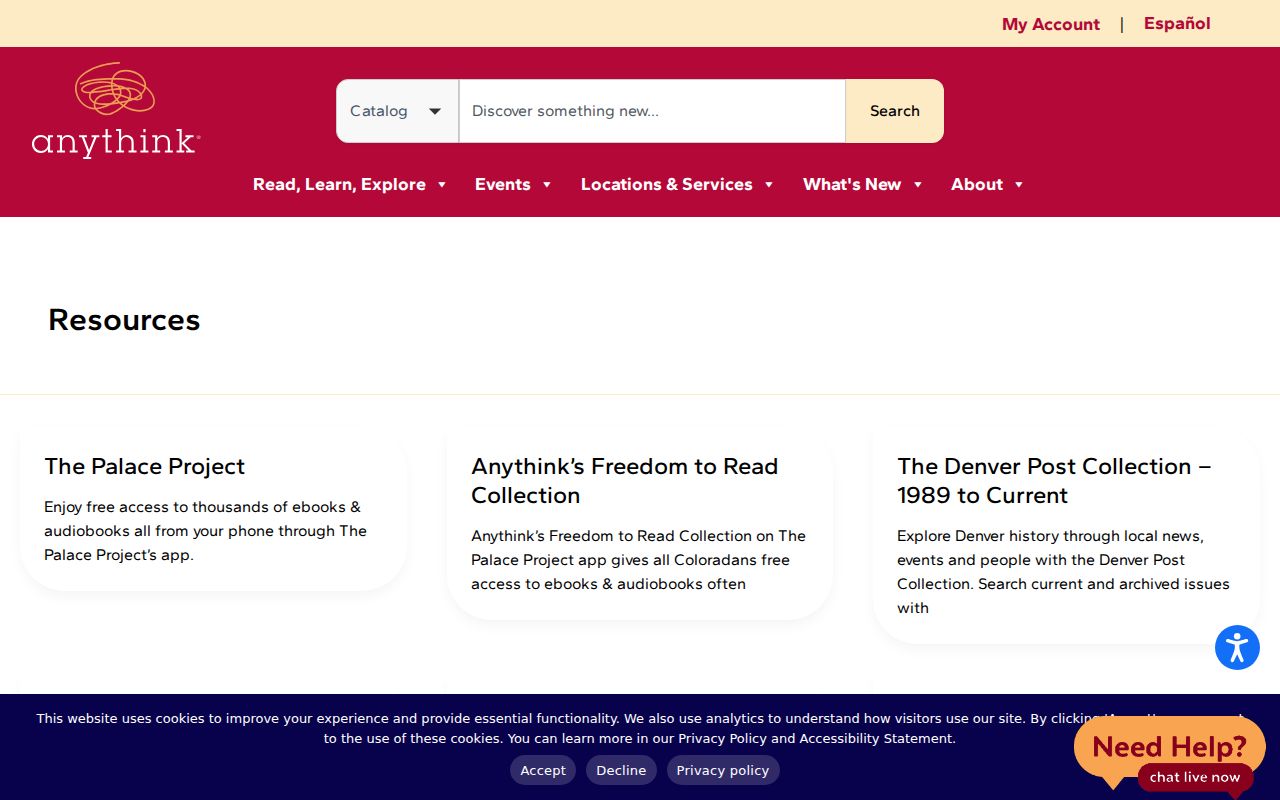
The database page is an access lead, not a guarantee that every title covers every year. Search the publication name, date, surname, and address together, then save the result citation.
The Anythink Commerce City branch listing confirms the local computer and study-room access point for historical directory research.
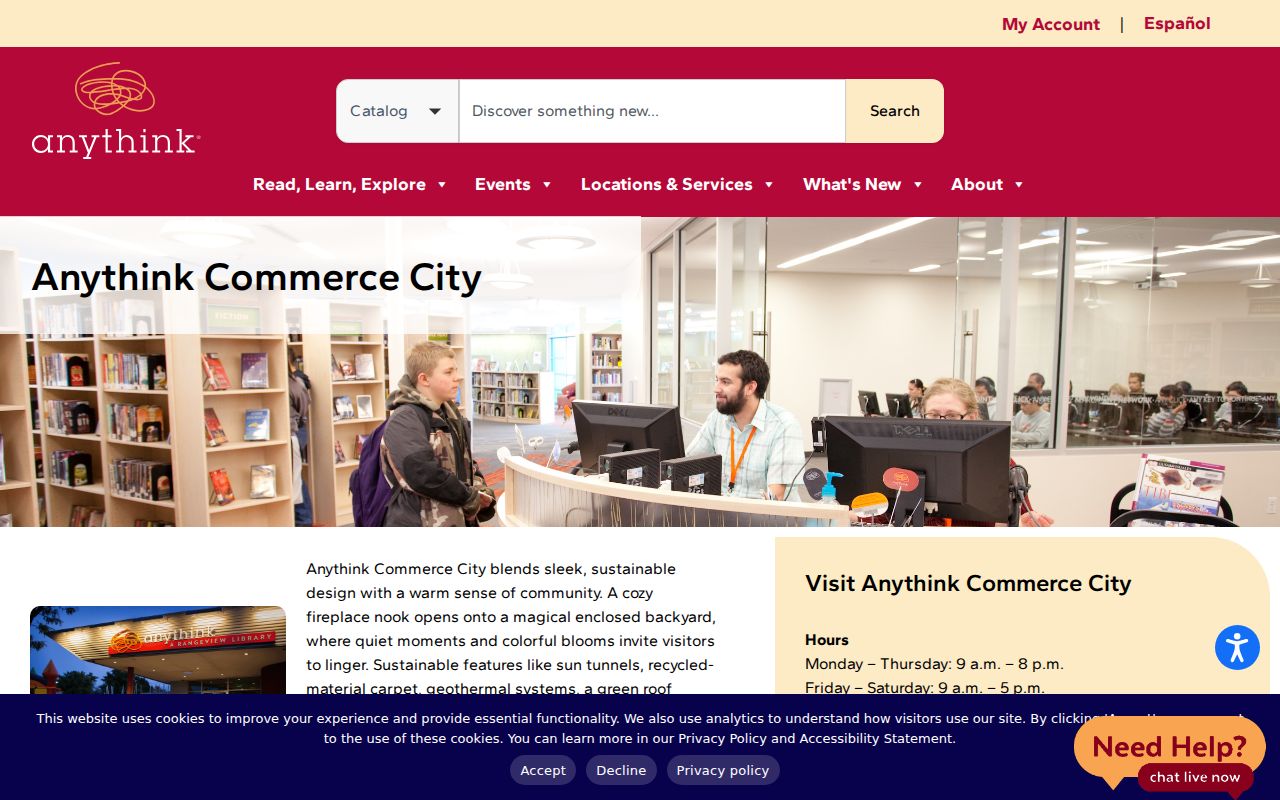
Library access can make a licensed database available even when the public web does not expose the underlying newspaper search without authentication.
Reading Commerce City Directory Entries
The DPL city-directory search guide describes the parts that make an entry useful: a name, address, trade or role, spouse notation in some years, death information, partners, and forwarding or post-office notes. A digitized Corbett & Ballenger 43rd Annual Denver City Directory from 1915 is an approximately 1,886-page sample of the format and covers city residents and businesses. An exact Commerce City entry was not located in that object, so the sample demonstrates how to read a volume rather than proving a local hit.
| Name | Indexed surname and given name; compare initials and spelling across years. |
|---|---|
| Occupation or trade | A printed role or business connection that can separate two people with the same name. |
| Spouse or household note | Some years place a wife's name in parentheses or italics; other household marks vary by publisher. |
| Address | House number and street wording, with the exact printed form preserved for later searches. |
| Owner or renter mark | Check the volume's abbreviation key before reading an owner, renter, widow, or boarder symbol. |
- Criss-cross directory
- A street-ordered directory that turns an address into a household or business clue.
- Householder index
- An address-based section listing householders or occupants rather than only alphabetized names.
- Abbreviation key
- The volume's legend for short marks, roles, household notes, and address conventions.
Read the abbreviation key before copying an entry. A short mark can change the meaning of a name, and a business address can be mistaken for a home address if the section is not recorded.
Rose Hill Commerce City Records
Rose Hill Cemetery, at 6841 E. 62nd Avenue, was founded August 25, 1892. It is open Sunday through Friday from sunrise to sunset and closes on Shabbat and holidays. The cemetery's plot locator accepts Last Name, First Name, Area, and Row, then returns a plot location in Area-Row-Plot form with map and printable PDF options. FamilySearch reported 1,172 people on its Rose Hill site during the research pass.
Rose Hill is a local historical name trail, not a birth or death certificate index. A directory entry, obituary, and plot result can support a chronology when the spelling and dates agree. A blank cemetery result can reflect name form or collection coverage rather than proof that a person was never connected to Commerce City.
For a deceased resident, pair the cemetery clue with a newspaper notice, probate record, or directory address. Keep interment, residence, and legal record status as separate statements.
Commerce City Historical Records
The city-recognized Commerce City Historical Society and Conter Heritage Center add local context that a city directory rarely carries. The city describes holdings on Adams 14, South Adams Water and Sanitation, the Fire Department, Rocky Mountain Arsenal, and local people and places. The first center opened September 19, 2014, at 6505 E. 60th Avenue. The listed phone is 303-288-2590; Saturday access is 10 a.m. to 2 p.m., with weekday visits by appointment.
The Conter Heritage Center listing is useful when a Commerce City city directory gives a name but not the surrounding story.
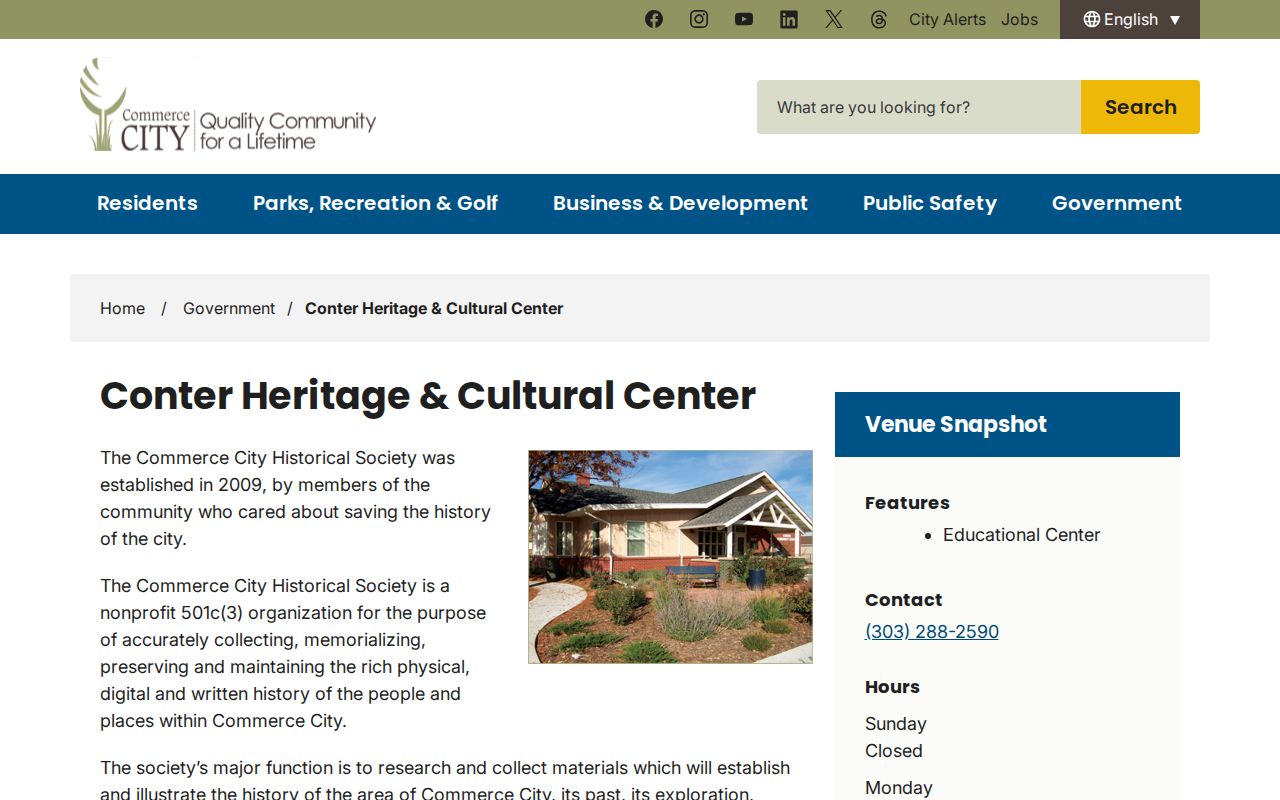
The center's collection scope points toward organizations, infrastructure, and local places that can help identify a neighborhood or business reference in an older volume.
The Commerce City Historical Society history collection supplies another local route for timeline questions and names that appear in newspapers or directories.
The Adams County Museum at 9601 Henderson Road in Brighton is a second archive route. It is open Tuesday through Saturday, 10 a.m. to 4 p.m., and lists 303-659-7103. A personal-name index and research fees were not located, so ask about vertical files, records, and artifacts before relying on a name search.
Tracing Families in Commerce City Directories
A useful family-history trail combines a city directory with the nearest census, newspaper, cemetery, or official record. Federal census images follow a 72-year public-release rule, so the newest public census year will trail the present. A directory can fill the years between census snapshots, but it should be treated as an address clue rather than a complete household register.
- Start with the surname, given name, and every known Commerce City locality label.
- Copy the first address, trade or role, spouse note, page, and abbreviation key.
- Check the next available city or street-ordered volume for the same address and name variants.
- Pair each directory date with the nearest public census year and note the enumeration district.
- Close a death or move trail with an obituary, Rose Hill result, probate filing, or later official record.
When a name disappears, test the next volume, an adjacent locality, a street-order section, and a newspaper before concluding that the household left. A forwarding notation, death date, spouse change, new trade, or changed street label can explain the gap. For current parcel and street records, the Commerce City street directory uses a different address-first workflow.
DPL Reverse Directories in Commerce City
DPL's building-history guide places Denver directories from 1866 through 1981 on microfilm, with 1873-1923 digitized. It also identifies Polk volumes for 1899, 1913, and 1960-1996; householder and criss-cross volumes in street order from 1924 through 2018, with 1924-1937 digitized; Colorado business directories from 1875-1943, 1950, and 1956; Ancestry Library Edition Denver coverage for 1866 and 1871-1979; and telephone books from 1912-1947.
These are broader DPL holdings, not a promise that every year includes a complete Commerce City local run. The word Denver in a publisher title describes the market area or series name, not necessarily the municipality of an address. Test a street, county, South Adams label, and nearby place name before treating a no-hit search as a record gap.
Street order is especially useful when a surname is uncertain. It can expose a household neighbor, a business next door, or a changed house number. Preserve the printed street form, then compare it with plats, maps, and later parcel records.
Commerce City Directory Limits
The named local volumes are valuable because they are specific, but they are not a continuous local archive. DPL did not locate a complete annual South Adams run beyond the named 1949, 1962, 1969-1971, and 1975-1976 volumes. The 1915 digitized directory shows a resident and business format, yet an exact Commerce City entry was not located. A directory hit can support a time and place; it cannot alone prove a deed, current address, or every person in a household.
Local history can supply a date anchor for a newspaper or business search. Commerce City industry includes a refinery beginning in 1930, grain elevators in the late 1930s, and the Rocky Mountain Arsenal in 1942. The DPL refinery account records an October 3, 1978 explosion that killed three people, injured eleven, damaged the surrounding area, and was followed by rebuilding through the end of 1980. Those dates can explain a cluster of notices or permits, but they should never be used to infer who lived near an industrial site.
Record boundary. A local city directory is a historical lead. Confirm names, addresses, and relationships with the custodian or collection that actually holds the deed, permit, court file, cemetery record, or newspaper item.